

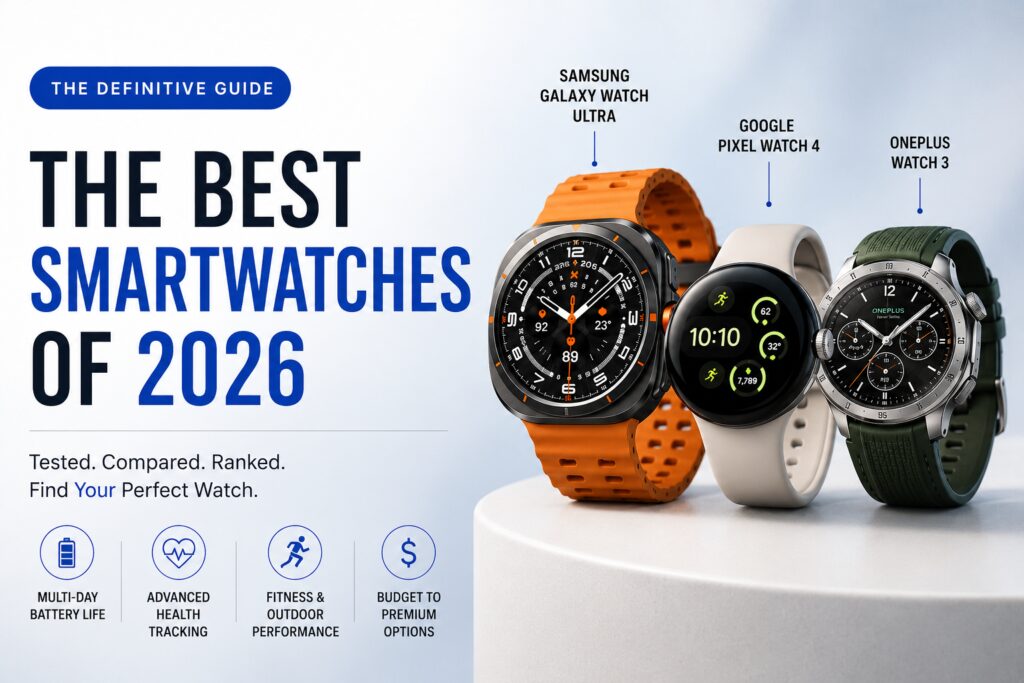
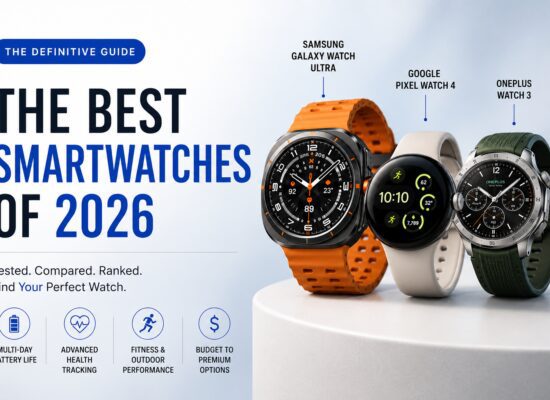
After reviewing countless wearables over the years—from budget-friendly fitness trackers to premium flagship wearables—I’ve put together the definitive guide to find the best smartwatches of 2026. Whether you’re looking for advanced fitness tracking, long battery life, rugged durability, or a stylish everyday companion, there’s something here for everyone.
The wearable market in 2026 is no longer just about receiving text notifications on your wrist. We are seeing a massive divergence: some brands are going all-in on multi-day battery life, others are injecting deep generative AI features like Google’s Gemini, and a few are pushing into serious medical-grade tracking like continuous blood pressure monitoring.
Whether you are looking for an ultra-rugged outdoor companion, a sleek stylish daily driver, or a sub-$50 budget savior, this massive hands-on breakdown covers everything you need to know to make an informed choice.
1. Premium Flagships & Ultra-Rugged Powerhouses
If budget isn’t an issue and you want absolute top-tier durability, advanced tracking, and premium materials, these heavy hitters dominate the premium tier.
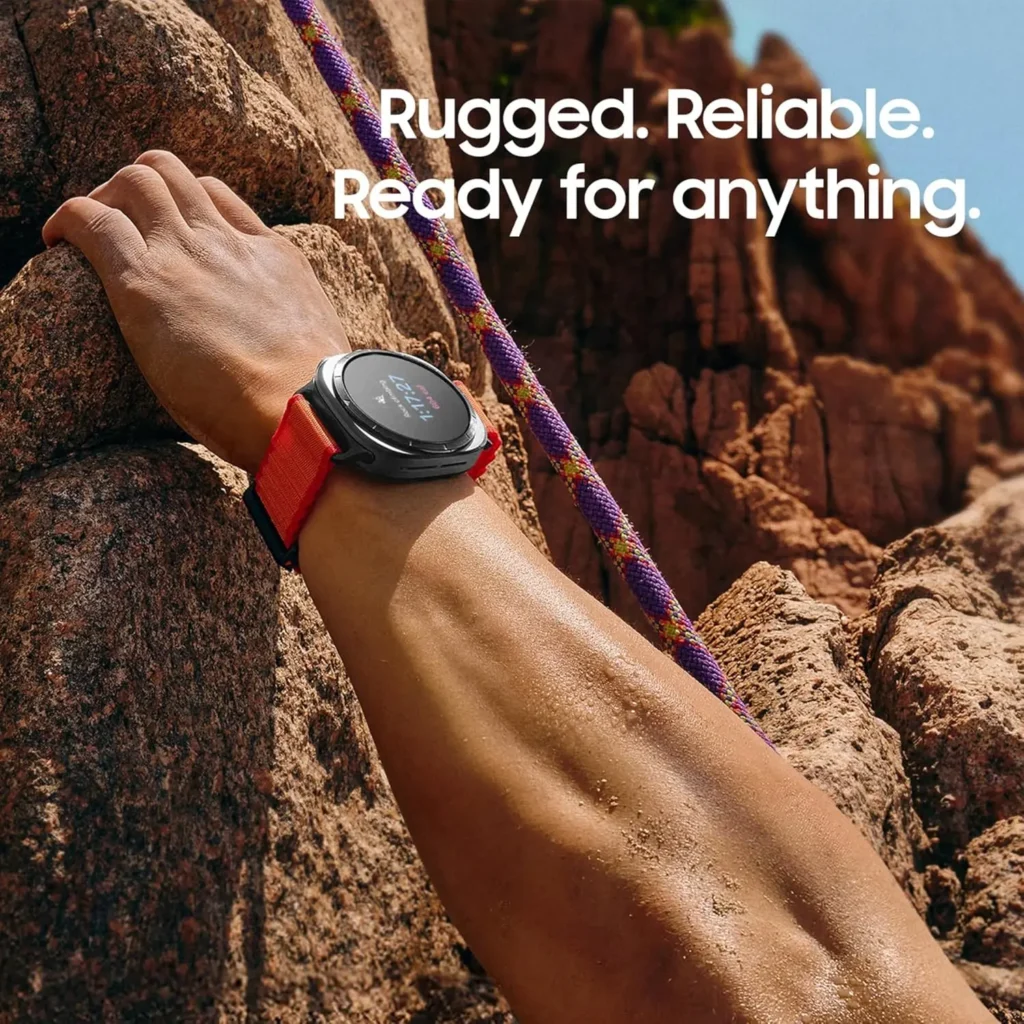
Samsung Galaxy Watch Ultra
- Price Idea: $650 – $700 (Premium Flagship)
- The Verdict: This is easily one of the strongest competitors to Apple’s high-end wearables on the market today. Make no mistake—it is not a compact or subtle watch. On smaller wrists, it can look absolutely massive, but its rugged, tank-like construction is built specifically for outdoor enthusiasts and adventure seekers who abuse their gear.
- It runs Wear OS flawlessly with Samsung’s custom interface, giving you frictionless access to contactless payments, the Google Play Store, accurate dual-band GPS, and advanced sleep analysis.
- The Catch: While battery life is respectable for a heavy Wear OS device—easily lasting a full weekend—it doesn’t quite live up to its “Ultra” naming scheme compared to dedicated fitness watches.
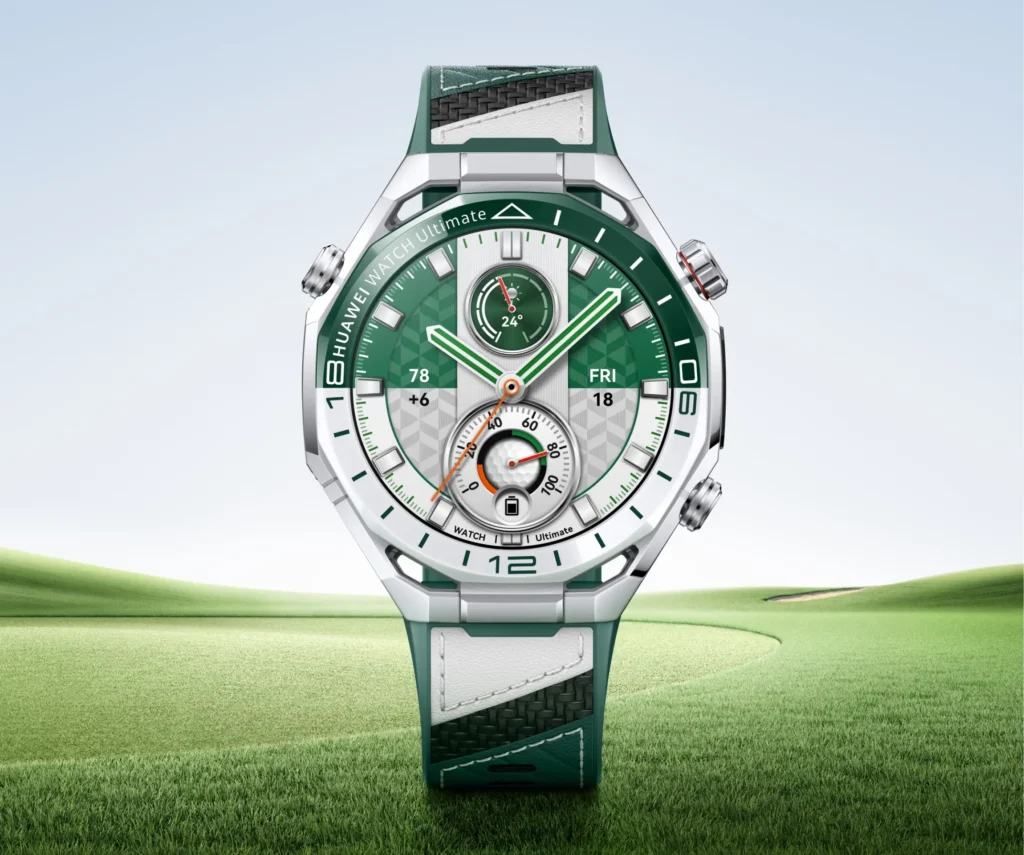
Huawei Watch Ultimate 2
- Price Idea: $750 – $850 (Luxury/Extreme Sports)
- The Verdict: Built for absolute extreme users, this beast features a zirconium liquid metal chassis that is incredibly scratch-resistant and a gorgeous, massive LTPO display. It is fully equipped for deep-sea diving and serious alpine climbing.
- The Catch: It carries a luxury-level price tag and, interestingly, has a shorter battery life than Huawei’s more casual GT series due to the power demands of its high-end display and sensors.
2. Mainstream Wear OS Champions (The Daily Drivers)
For most Android users, these watches offer the perfect sweet spot between fluid software features, smart app ecosystems, and daily usability.
Samsung Galaxy Watch 8 & 8 Classic
- Price Idea: $300 – $350 (Standard) / $400 – $450 (Classic)
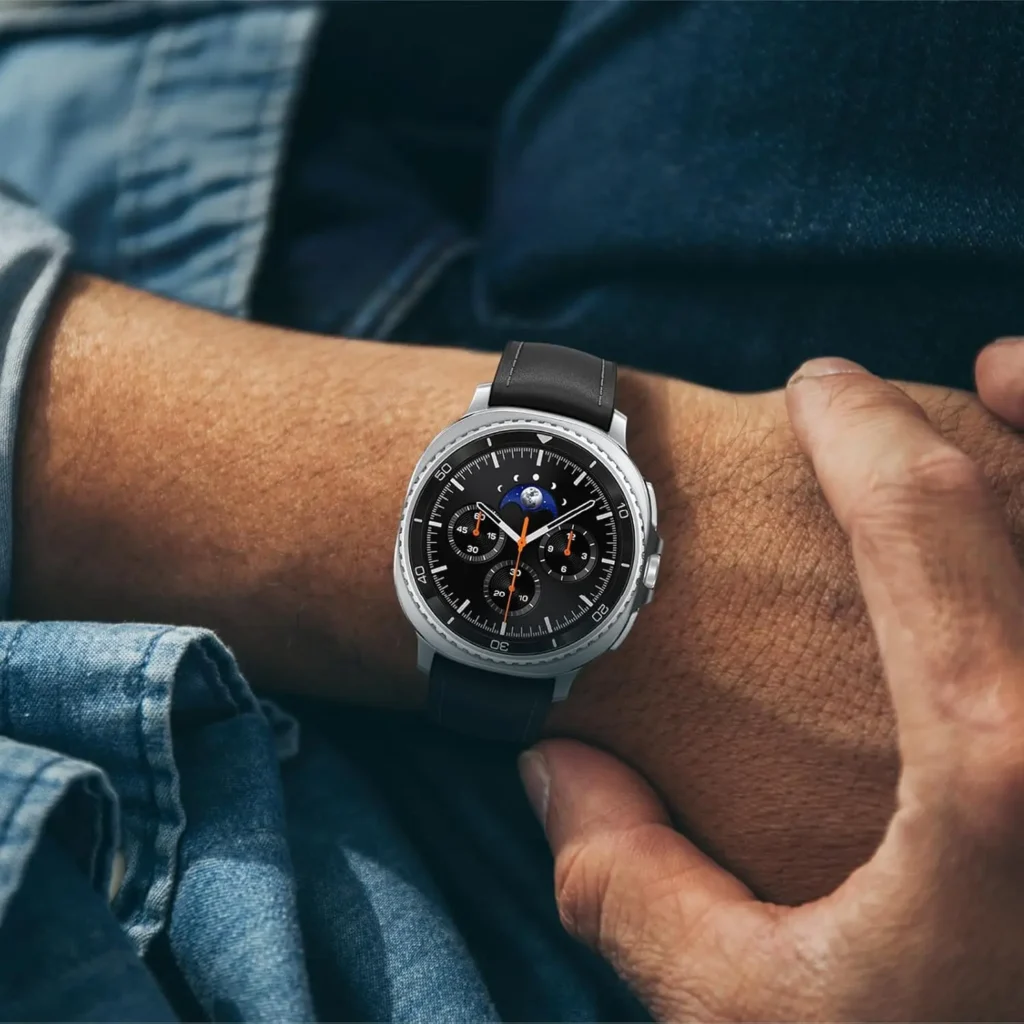
- The Verdict: If you want a sleek, modern, and lightweight design, the standard Galaxy Watch 8 introduces a distinct “squircle” shape with a bright AMOLED screen. It features built-in Gemini AI assistance and deep health upgrades like sleep apnea detection and vascular load tracking. It comes in highly versatile 40mm and 44mm sizes.
- If you miss the tactile feel of traditional horology, the Galaxy Watch 8 Classic steps it up with a larger 46mm chassis, a rotating physical bezel, a dedicated action button, and a beefier battery pushing closer to 48 hours.
- The Catch: Battery life on the standard model remains a weak spot, capping out around 36 hours with everything turned on.
Google Pixel Watch 4
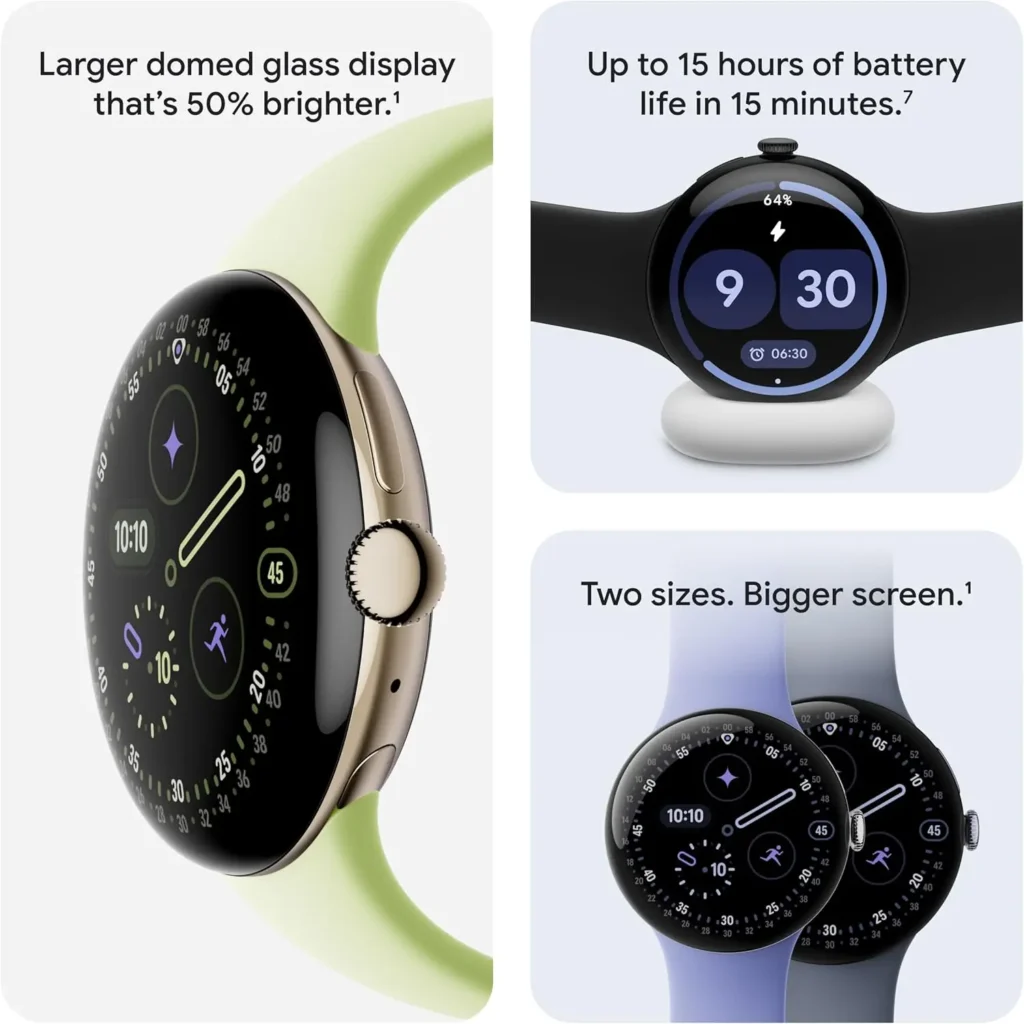
- Price Idea: $350 – $400
- The Verdict: Google continues to win the design award with its signature dome-shaped pebble aesthetic and incredibly slim bezels. Available in both 41mm and 45mm, it runs a pristine, bloatware-free version of Wear OS with deep Gemini integration and Fitbit’s gold-standard fitness tracking ecosystem. Performance is beautifully fluid thanks to a 60Hz refresh rate AMOLED panel.
- The Catch: The 41mm model still suffers from battery anxiety, averaging roughly 36 hours before needing a charge.
Looking for trackers that go beyond standard health monitoring? Wearable technology is evolving fast, and you can see how AI is shifting the entire industry by checking out our latest breakdown of cool ai gadgets for daily productivity and fitness.
3. The Battery & Efficiency Kings
If you are completely tired of charging your watch every single night but still want a highly capable operating system, these devices are legendary for their power management.
OnePlus Watch 3 & Oppo Watch X3
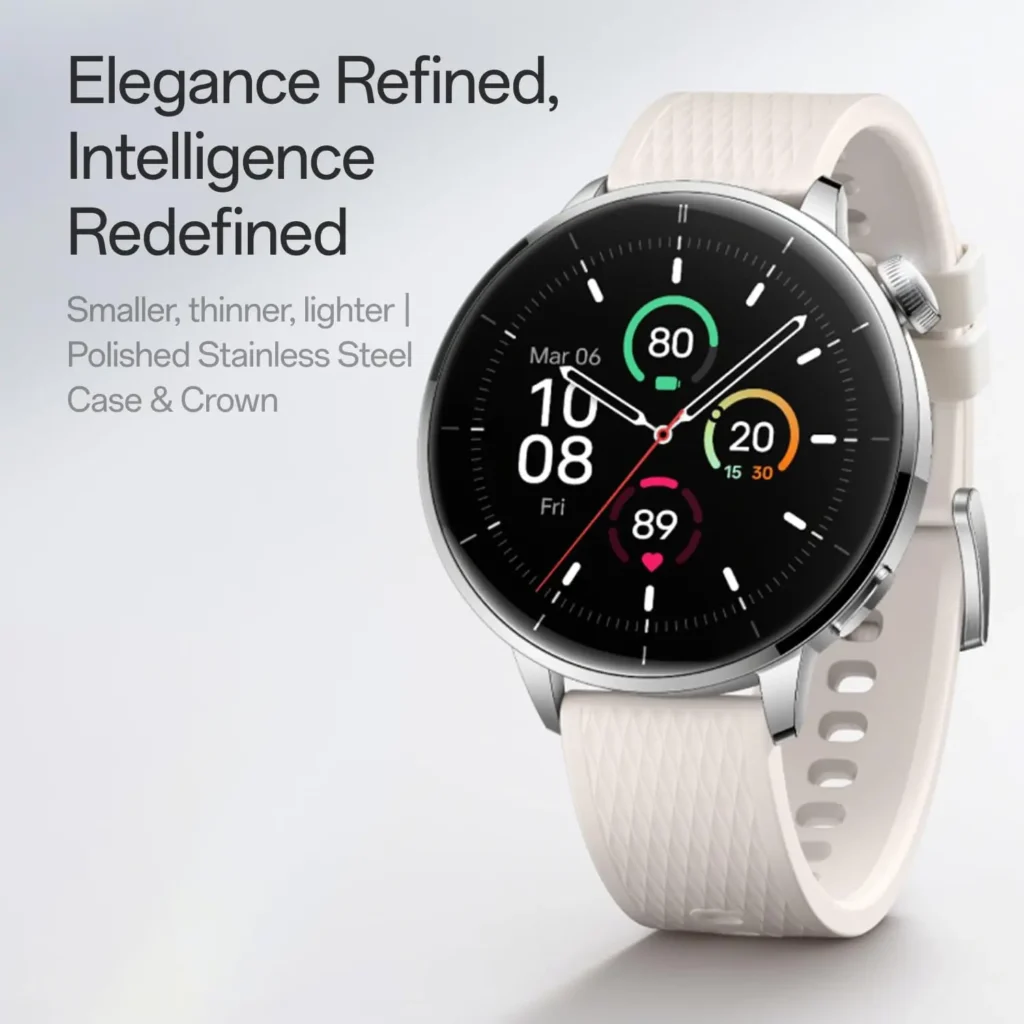
- Price Idea: $280 – $330
- The Verdict: The OnePlus Watch 3 is hands-down one of the most impressive smartwatches on the market. It pulls off a genius trick: it utilizes a dual-chipset and dual-operating-system setup. When you are doing basic tasks, it runs an ultra-low power OS; when you open an app, it seamlessly switches to Wear OS. Built with stainless steel, titanium, and sapphire crystal, it delivers a massive 3 to 4 days of true smartwatch battery life.
- The Oppo Watch X3 is its close sibling, sharing a matching titanium alloy bezel, incredible outdoor brightness, and identical multi-day endurance.
TicWatch Pro 5 Series (Pro 5, Enduro, & Atlas)
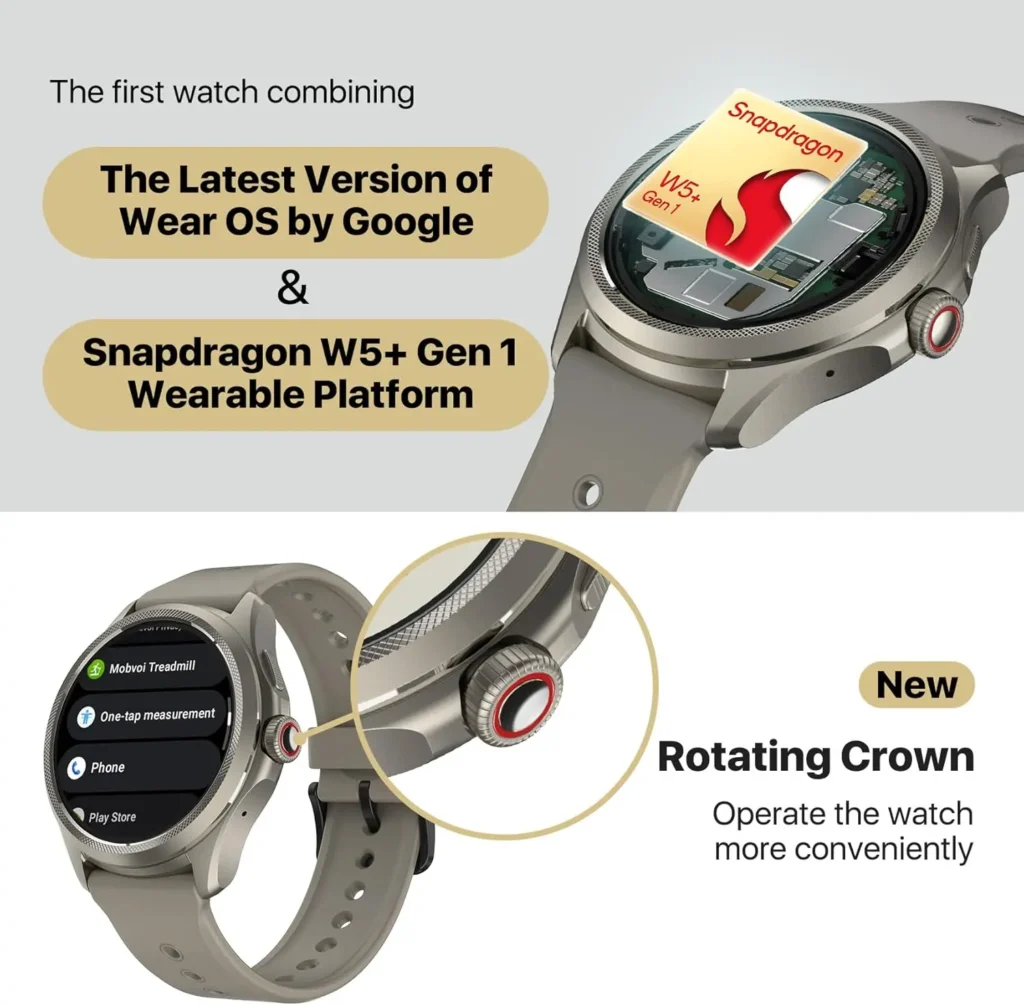
- Price Idea: $250 – $350
- The Verdict: Mobvoi’s TicWatch Pro 5 utilizes a brilliant dual-layer display. It layers a low-power, high-visibility monochrome LCD panel directly on top of a sharp OLED screen. When you aren’t interacting with it, the battery-saving screen takes over, stretching your Wear OS battery life out to an incredible 4 to 5 days.
- If you want tougher build materials, the Enduro variant swaps in ultra-hard sapphire glass. If you are a mountain climber or hiker, the TicWatch Atlas packages that exact same core technology into an aggressively rugged casing.
Huawei Watch GT6 & GT6 Pro
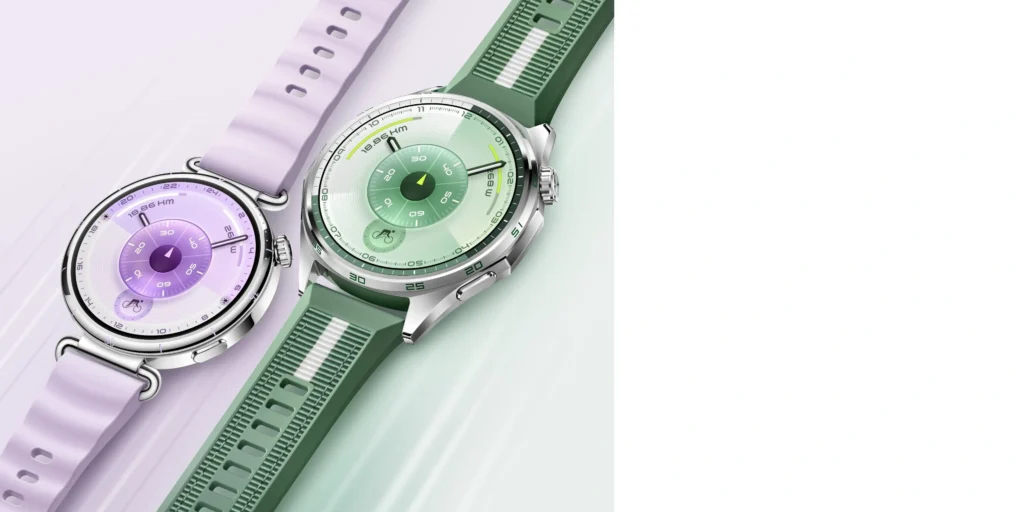
- Price Idea: $220 – $320
- The Verdict: Featuring a highly unique, sharp octagonal geometry, the GT6 series is gorgeous. The Pro model upgrades to premium titanium and sapphire glass. Because it skips the heavy architecture of Wear OS, this watch can easily coast past a full week to 10 days on a single charge while tracking everything from basic running to golfing and skiing.
- The Catch: You lose access to the Google Assistant and advanced contactless payment infrastructure in western regions.
4. Specialized & Unique Niche Wearables
Sometimes you don’t just want a general tracker; you want a watch that serves a highly specific lifestyle or design preference.
Withings ScanWatch Series (Nova Brilliant)
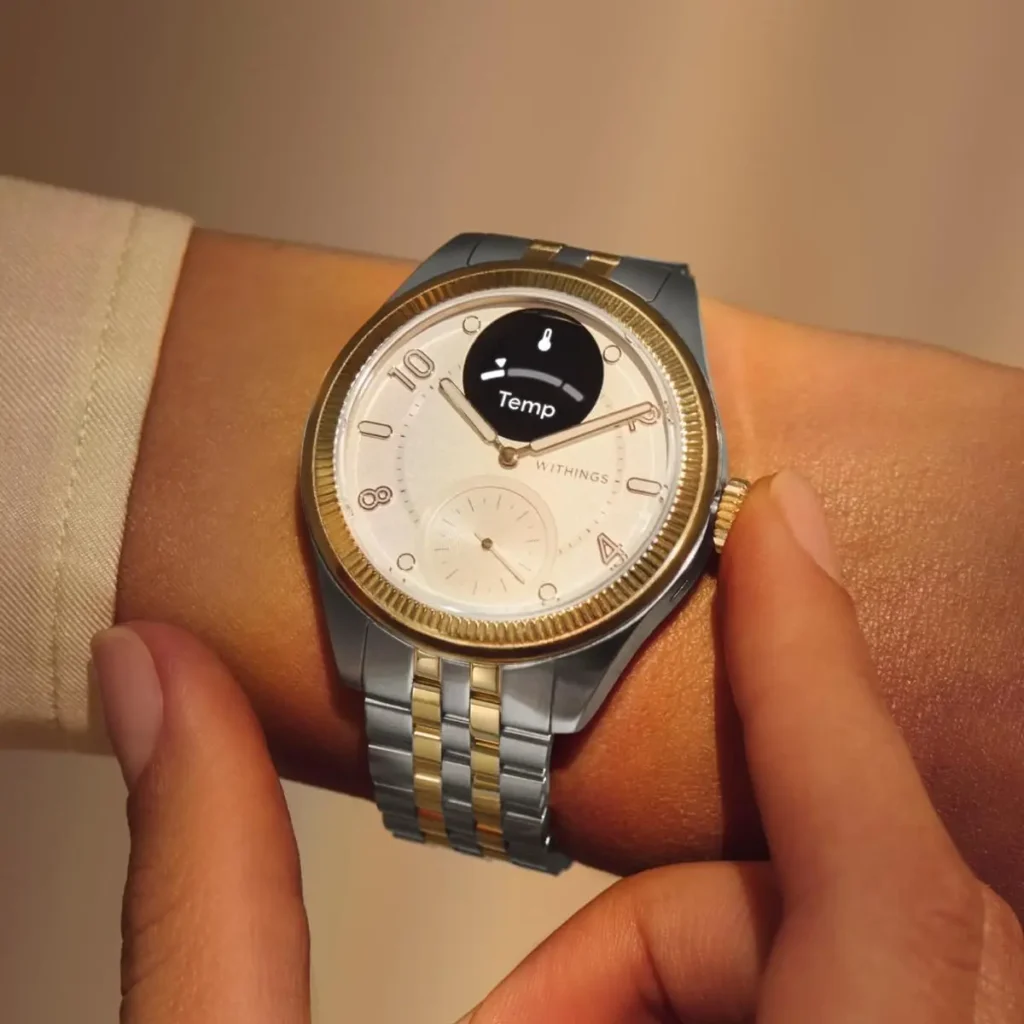
- Price Idea: $450 – $500
- The Verdict: This is for the purists. If you hate the look of a glowing black glass screen on your wrist, the ScanWatch Nova Brilliant looks exactly like a luxury Swiss analog timepiece. Hidden behind physical mechanical watch hands is a tiny OLED screen for vital health data. It tracks deep medical metrics while boasting an incredible one-month battery life.
Huawei Watch D2
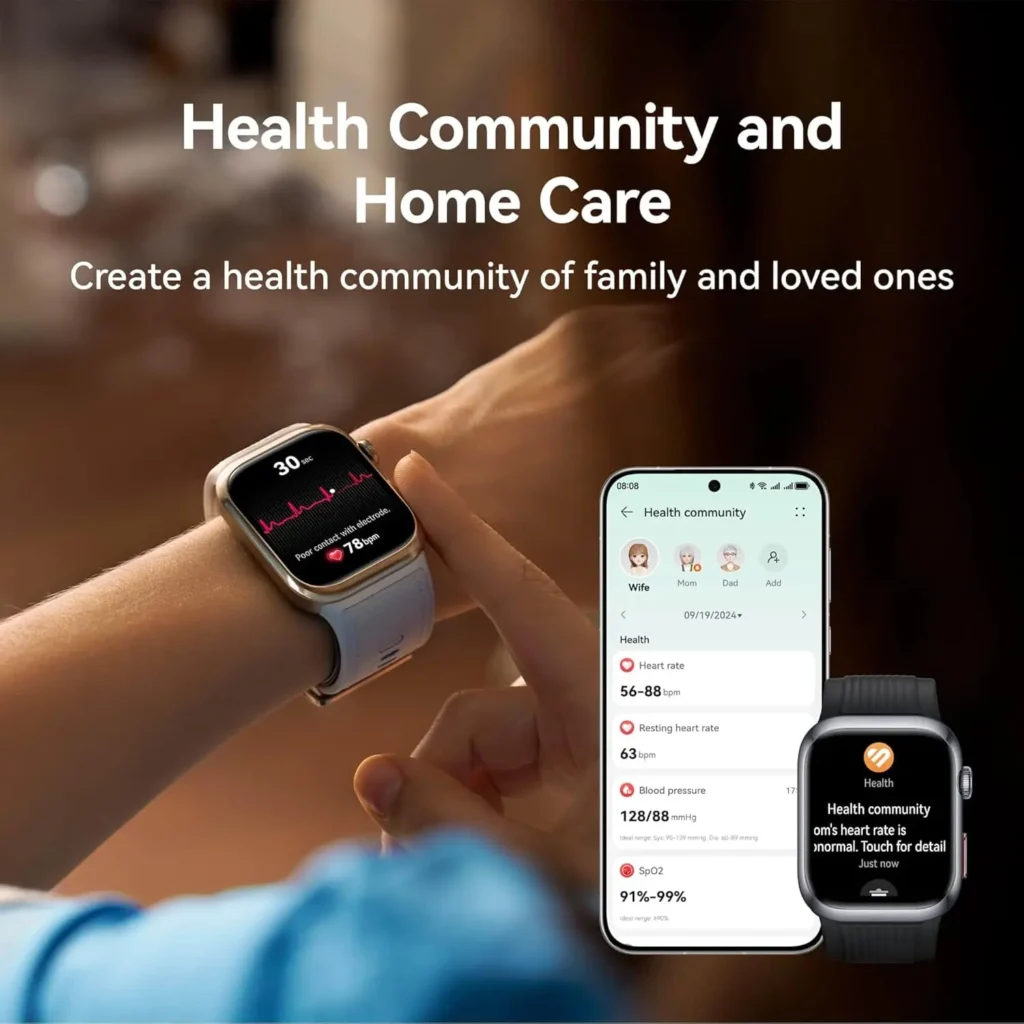
- Price Idea: $380 – $430
- The Verdict: A true medical marvel on the wrist. The Watch D2 features a specialized, inflatable mini-pump strap capable of taking accurate, medical-grade blood pressure readings throughout the day, automatically mapping your vascular health over time.
5. Budget & Value Champions (Sub-$150)
You do not need to spend half a grand to get an excellent tracker. These entry-level options deliver absurd value for money.
Nothing Watch Pro & CMF Watch Pro 2
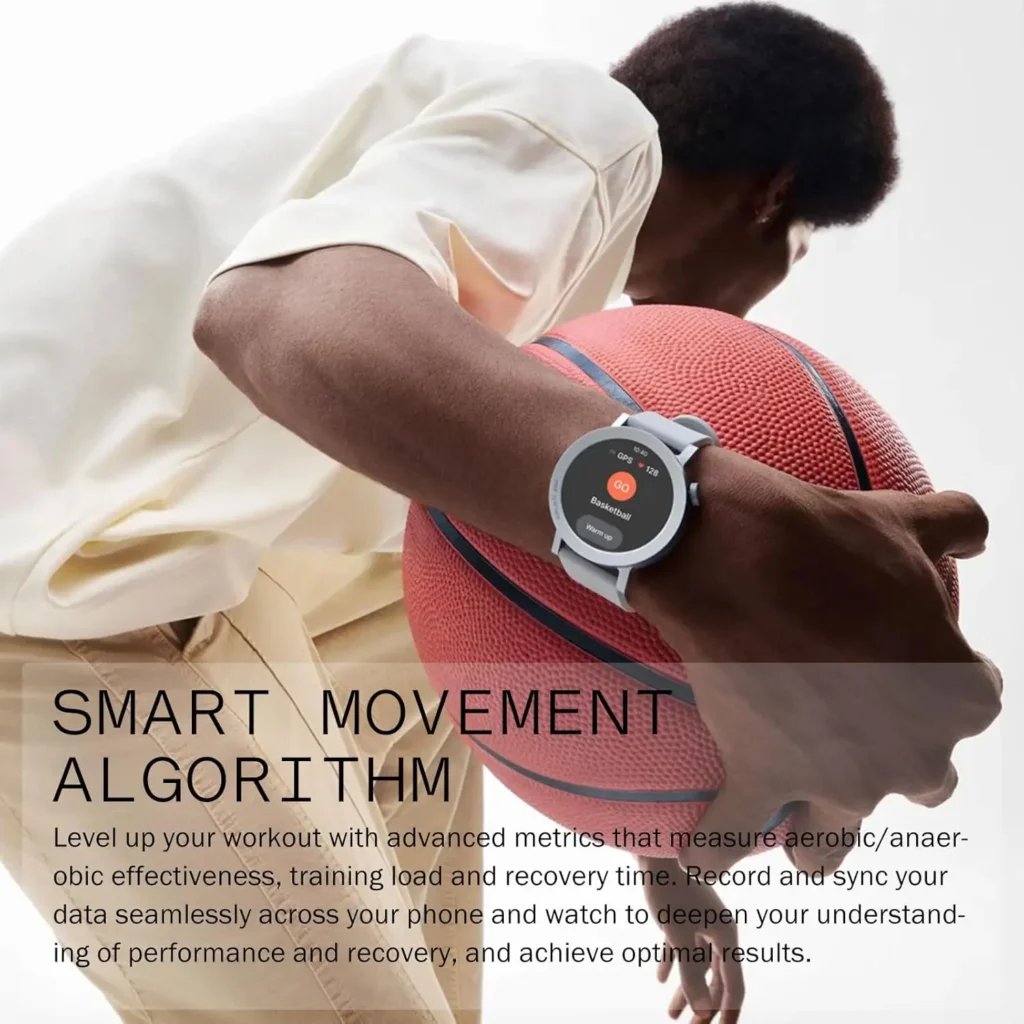
- Price Idea: $60 – $80
- The Verdict: Nothing’s sub-brand CMF Watch Pro 2 and the original Nothing Watch Pro offer beautiful, minimalist, industrial aesthetics for pennies on the dollar. You get a great AMOLED screen, built-in GPS, heart-rate monitoring, and long battery life.
- The Catch: The software can feel a bit basic or unpolished around the edges, and you don’t get advanced app stores or contactless payments.
Redmi Watch 5 Series (Standard, Active, Lite)
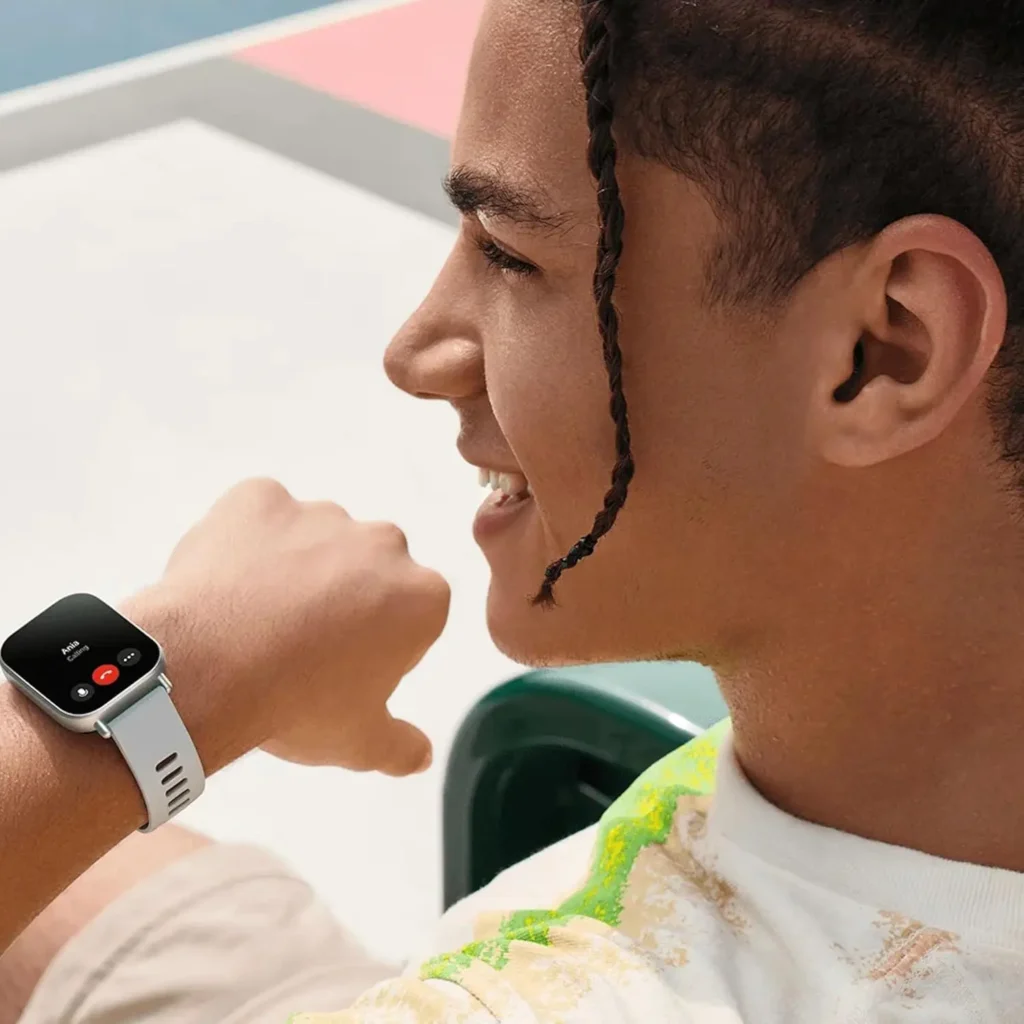
- Price Idea: $40 – $70
- The Verdict: The standard Redmi Watch 5 punches way above its weight class with a premium metal frame and vibrant AMOLED screen. The headline feature here? An astonishing two weeks of battery life even with continuous tracking metrics active.
Master Pros & Cons Comparison
To give you a quick bird’s-eye view of how these ecosystems stack up against each other, here is a master summary table:
| Smartwatch Category | Major Pros | Major Cons |
| Premium Wear OS (Galaxy Watch Ultra, Pixel 4) | Full Google Play Store ecosystem, seamless AI integration, top-tier app support. | Poor battery life (needs charging every 1.5 to 2 days), premium price tag. |
| Dual-OS Pioneers (OnePlus Watch 3, TicWatch Pro 5) | Massive 3-5 day battery life without losing full Wear OS capabilities. | Can feel physically bulky or chunky on smaller wrists. |
| Custom RTOS/Fitness (Huawei GT6, Redmi Watch 5) | Mind-blowing battery life (7 to 14 days), excellent price-to-build ratio. | No third-party app store, limited quick-replies, restricted mobile payments. |
| Hybrid Analog (Withings ScanWatch) | Stunning traditional look, looks professional, true 30-day battery life. | Very small display area, not built for reading long text notifications. |
Frequently Asked Questions (FAQ)
Q1: Can I use a Wear OS watch (like the Galaxy Watch 8 or Pixel Watch) with an iPhone?
While Wear OS watches technically can connect via third-party apps, the experience is highly limited. If you are an iPhone user, you will lose access to iMessage integration, app stores, and core assistant features. For iOS, Apple Watches or hybrid trackers like the Withings ScanWatch remain the best options.
Q2: Why do some smartwatches last 14 days while others only last 1 day?
It comes down to the operating system. Watches running true Wear OS or WatchOS are constantly processing complex background tasks, updating widgets, and maintaining heavy data links. Simpler fitness smartwatches (like the Huawei GT series or Redmi) use lightweight real-time operating systems (RTOS) that only activate chips when actively requested, saving massive amounts of power.
Q3: Is sapphire glass really worth the extra money?
Yes, absolutely. Standard mineral glass or Gorilla Glass scratches easily against daily metal objects like keys or doorframes. Sapphire crystal is incredibly close to diamond hardness, meaning it is virtually impossible to scratch under standard daily use. If you plan to keep your watch for multiple years, opt for a sapphire model like the TicWatch Enduro or Galaxy Watch Classic.
Final Verdict: Which One Should You Buy?
- If you want the absolute best all-around smart experience and use a Samsung phone, grab the Galaxy Watch 8 Classic for its physical rotating bezel, or the Pixel Watch 4 if you want clean, beautiful Google software.
- If you are a hardcore fitness minimalist who hates chargers, the OnePlus Watch 3 or TicWatch Pro 5 Enduro are the undisputed champions, delivering true smartwatch power with an elite 4-day battery life.
- If you are on a strict budget, skip the expensive options entirely and pick up the standard Redmi Watch 5 or CMF Watch Pro 2 for an elite aesthetic without the financial sting.




No Comment! Be the first one.